
Villa San Cosma has been designed to give travelers the opportunity to feel surrounded by privacy and intimacy that only a house like ours can offer, with all the comfort service comparable to a real Hotel.
The structure is one of the historic villas of Ravello, built around the 800 by settlers to monitor the movement of ships from above and host business meetings.
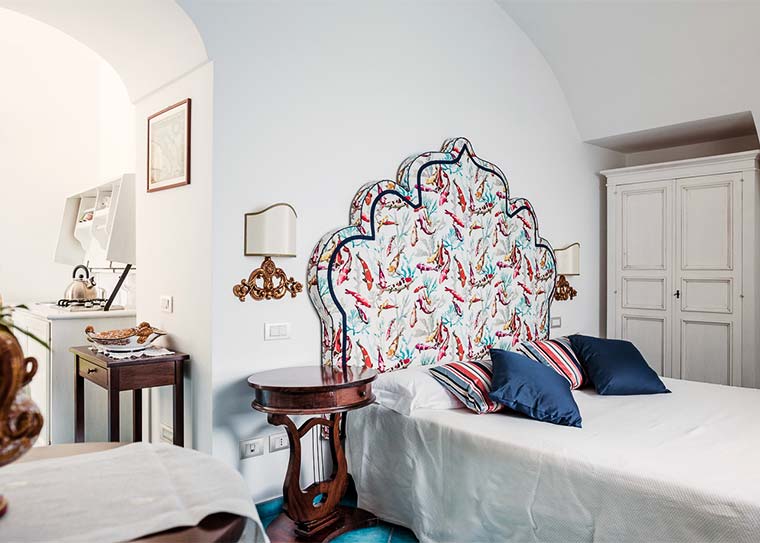
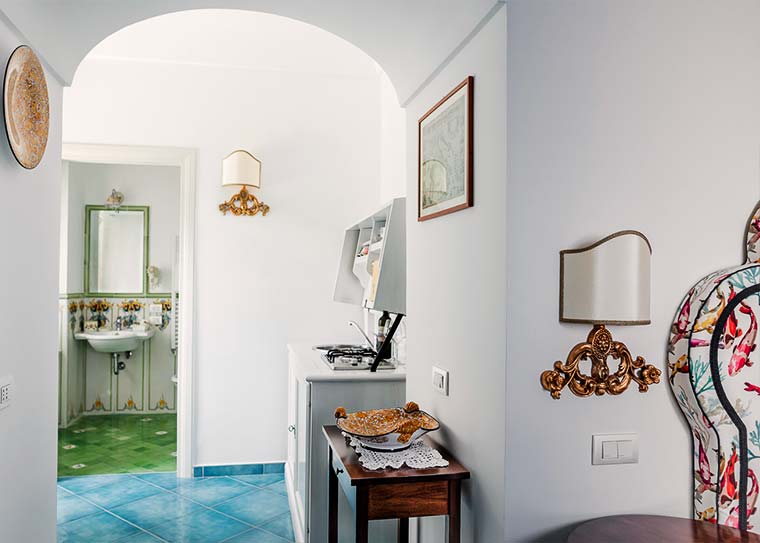
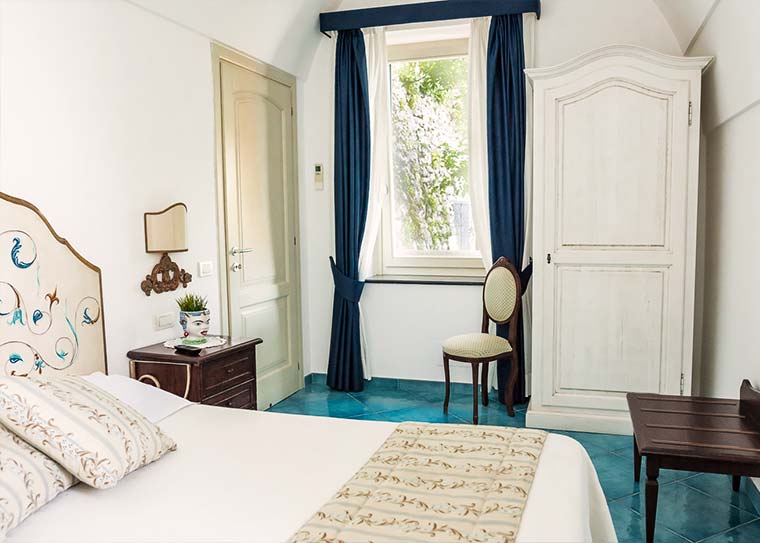
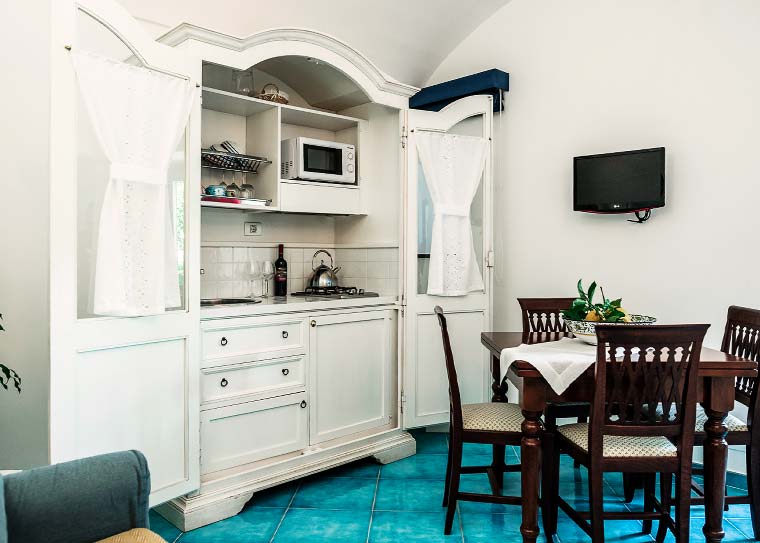
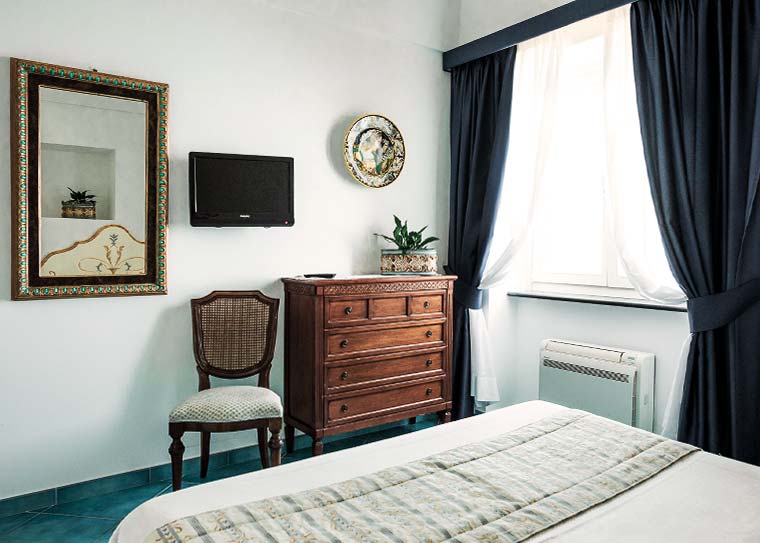
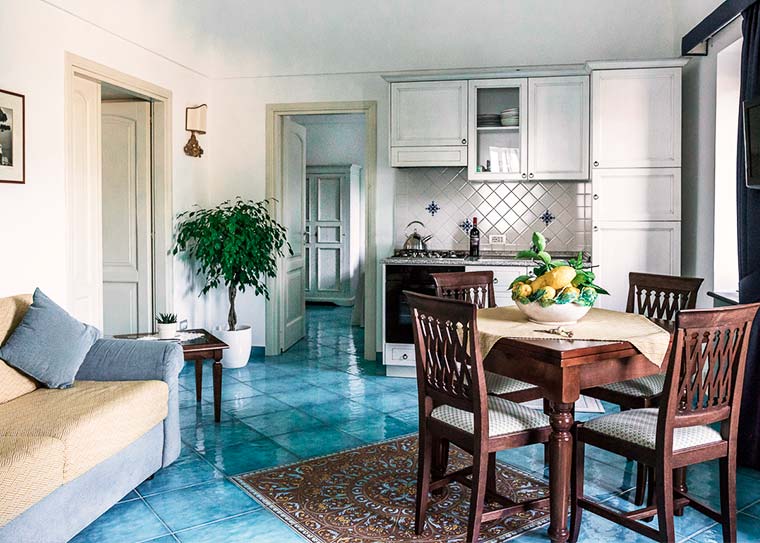
4 Spacious Apartments
Furnished with antique furniture where the hand-painted tiles from Vietri recall the colors of the Amalfi Coast and its sea.
All the apartments have a kitchenette and a dining area, satellite TV, wifi, safecase minibar, air conditioning, heating and other services included.
Among the gardens, available to guests there are a swimming pool, a hot tub where the guests can relax and a natural cave with cold water that helps lymphatic circulation after a walk.

Apartment Arancio
FROM 1 TO 6 GUESTS
Arancio is a 57sqm apartment and has two double bedrooms with two bathrooms.
Apartment Limoni
FROM 1 TO 4 GUESTS
Limoni apartment is about 35 square meters, it has a large living room with sofa bed for two people and a double bedroom.
Apartment Olive
FROM 1 TO 4 GUESTS
It has a spacious double bedroom overlooking the garden, bathroom with shower and living room with sofa bed.
Apartment Uva
FROM 1 TO 2 GUESTS
Uva apartment is a 24 square meters, it has a unique environment perfect for couples on their honeymoon looking for a romantic and intimate holiday.
All around you!
We will make your stay unforgettable
EATING AND DRINKING
At Villa San Cosma all has a different flavor
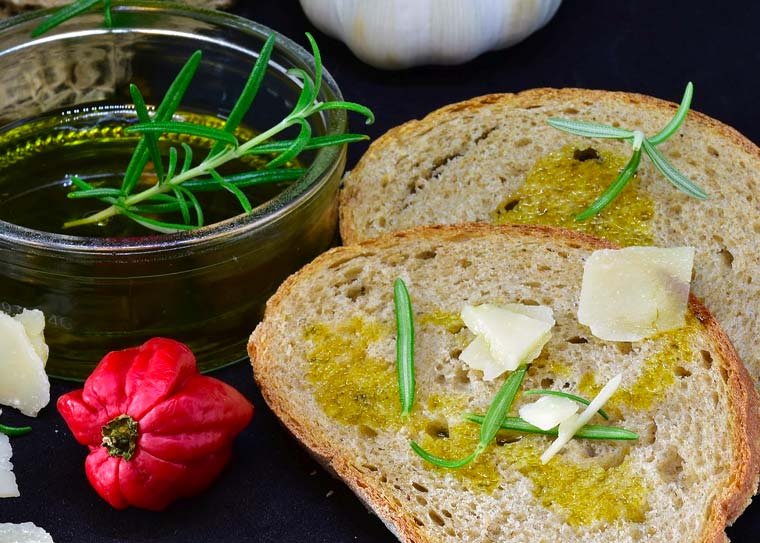
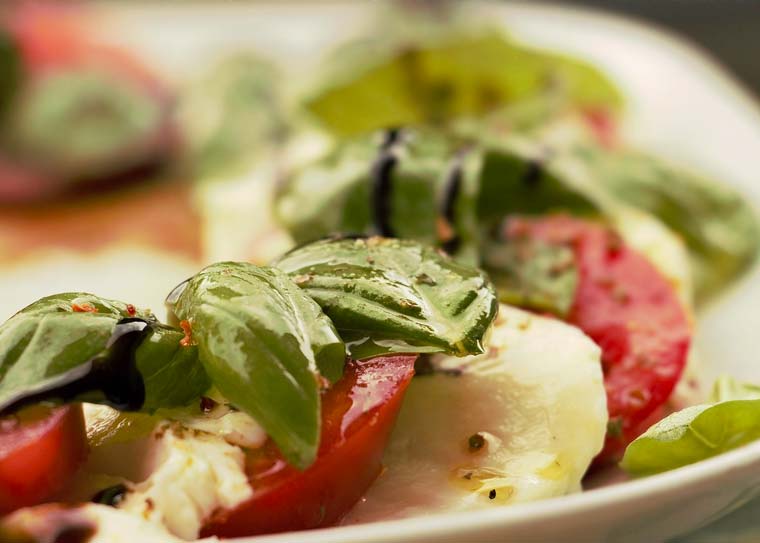
The flavors of the south, the genuineness of the typical products of our territory and the tradition of a cuisine known all over the world.
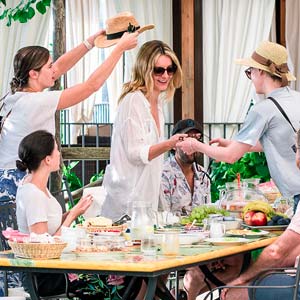
We will pamper your palate, we will take you to discover the intense aromas of the products grown in our garden, our chef is ready to fulfill all your wishes!
Just choose the menu with us, then it will be easy to amaze you: we can collect together the vegetables and the herbs that will enrich our recipes and, after having "done the shopping" we will be ready to prepare lunch and dinner.
At Villa San Cosma all has the flavor of happines!
WELL-BEING
Close your eyes
and breathe the happiness of well-being
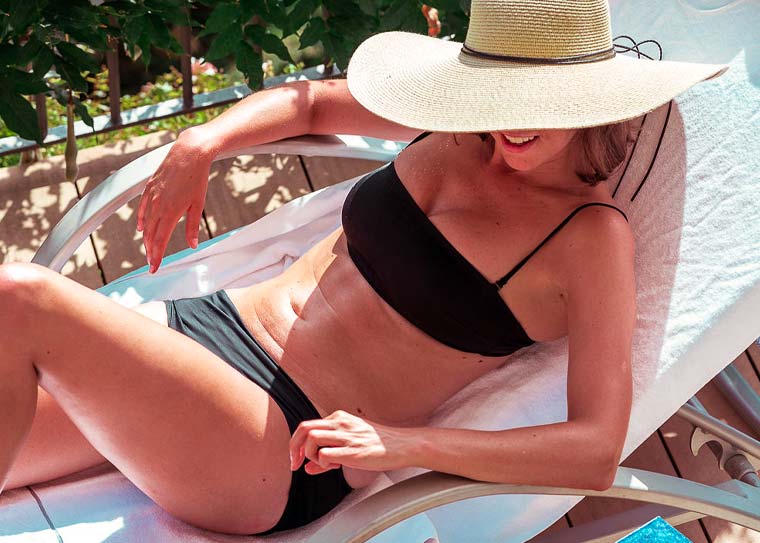
Far from chaos, smog and frenetic rhythms. Just close your eyes, silence your devices, and let yourself go into the arms of the well-being that our Villa offers.
The green that surrounds and colours Villa San Cosma will relax your mind, the pool and the hot tub your body and your emotions.
Last but not least our suggestive natural cave characterized by cold water will help to improve your lymphatic circulation especially after a long walk in our beautiful Ravello.
Here at Villa san Cosma you can experience special and intense moments of wellness, relax and happiness!
RAVELLO PIZZA SCHOOL
Da Nonno Alfonso
Created in Naples in the 18th century, 'la pizza' is known throughout the world and is full of Italian goodness!
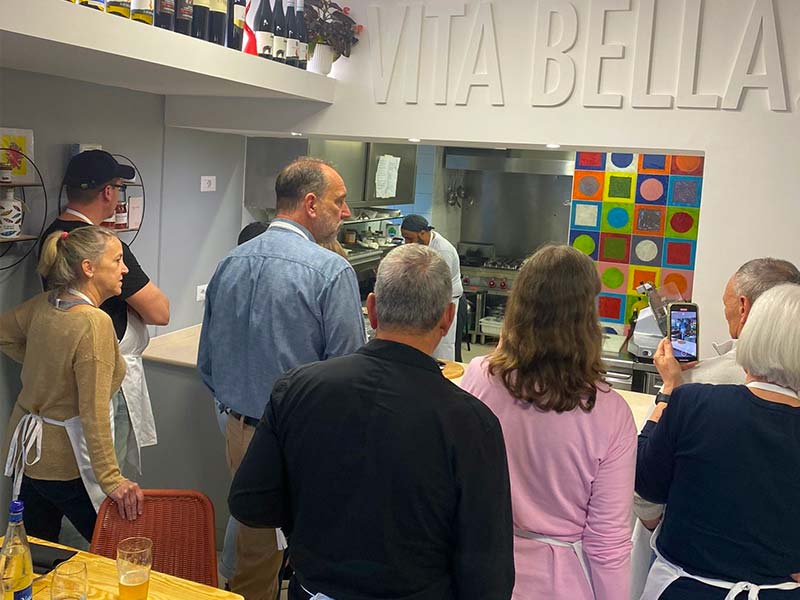
If you would like to learn its secrets and eccentricities, a visit to our 'Ravello Pizza School'
is a must.
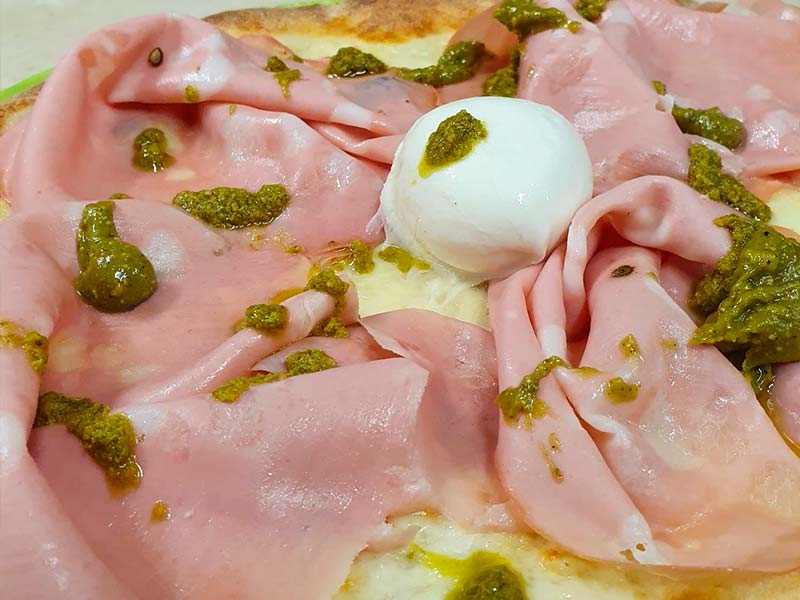
Our team and our pizzaiolo (pizza chef) will be happy to welcome and guide you through this unique experience. We will be by your side throughout the lesson: from creating the dough to the proofing process, from the kneading and shaping to the baking of the pizza, topped with your choice of favourite ingredients.
We start at 10:30 am
The class lasts for 3 hours
Make your event unforgettable with the right details and atmosphere.
Thanks to the formula” exclusive use “villa san cosma can be the ideal setting for your special events.


